
Strong. Healthy. Empowered.
Addiction affects millions of people, yet it remains one of the most misunderstood and stigmatized medical conditions. This week on SHE MD, Mary Alice Haney sits down with Dr. Sarah Wakeman, a nationally recognized addiction medicine specialist, Harvard Medical School faculty member, and leading advocate for evidence-based addiction treatment.
Dr. Wakeman shares how her experiences treating patients revealed a troubling reality: people struggling with addiction are often treated very differently than those with other chronic illnesses. Together, they explore why addiction is a medical condition, not a moral failing, and what needs to change in healthcare, policy, and public perception.
The conversation also dives into alcohol use, women's unique health risks, pregnancy, breast cancer, and the growing body of research on how alcohol impacts long-term health. This episode is an eye-opening discussion about stigma, recovery, compassion, and the power of treating addiction with science instead of judgment.
Subscribe to SHE MD Podcast for expert tips on PMOS, endometriosis, fertility, hormonal balance, mental health, and more. Share with friends and visit SHE MD website and Ovii for research-backed resources, holistic health strategies, and expert guidance on women’s health and well-being.
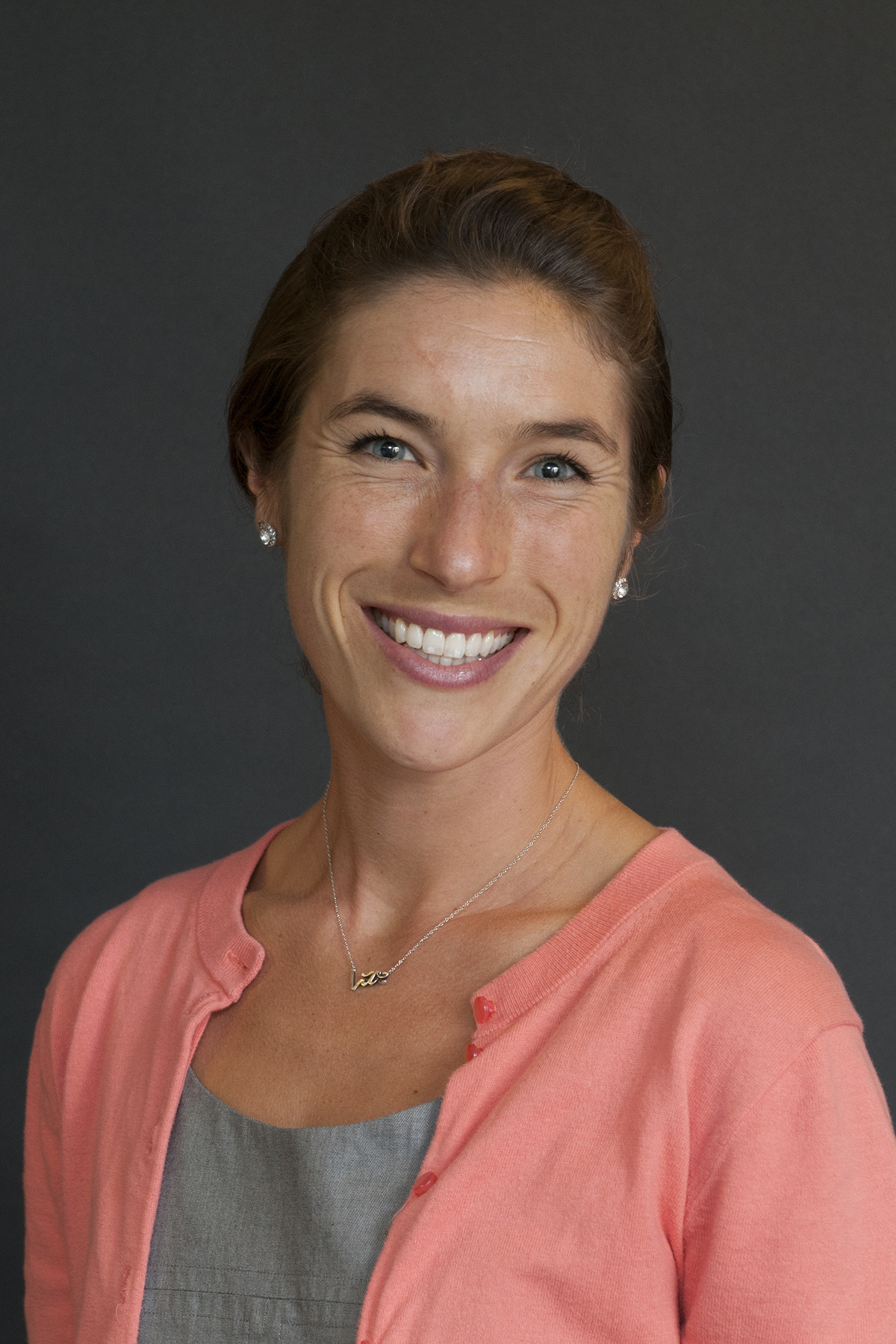


Dr. Sarah Wakeman is a nationally recognized leader in addiction medicine, a graduate of Brown University, and a faculty member at Harvard Medical School. She is double board-certified in Internal Medicine and Addiction Medicine and serves as the Program Director of the Massachusetts General Hospital Addiction Medicine Fellowship.
Throughout her career, Dr. Wakeman has been at the forefront of transforming how substance use disorders are treated, advocating for evidence-based, compassionate care that replaces stigma with science. She has helped develop innovative treatment programs, mentored the next generation of addiction medicine specialists, and worked to expand access to life-saving care for patients across the healthcare system.
As a physician, educator, and national thought leader, Dr. Wakeman is passionate about changing the conversation around addiction; helping people understand that substance use disorder is a medical condition, not a moral failing, and that recovery is possible with the right support and treatment.

What You’ll Learn
Key Timestamps
00:00 Why Alcohol Is More Dangerous Than Most People Think
03:02 What Alcohol Actually Does To Your Brain
06:48 Why Some People Become Addicted Faster Than Others
10:42 The Science Behind Alcohol Cravings
14:56 When Drinking Becomes A Real Problem
18:37 Why Addiction Changes Your Brain
22:14 Women & Why Alcohol Affects Them Differently
26:03 Alcohol, Anxiety & The Sleep Problem
30:21 Signs You May Need To Cut Back Drinking
37:05 The Best Treatments For Alcohol Use Disorder
41:36 New Medications That Reduce Alcohol Cravings
44:43 Why Menopause Makes Alcohol Harder To Tolerate
45:37 Teens, Alcohol & Parenting Conversations
46:42 The Biggest Protective Factors Against Addiction
53:05 Why Scare Tactics Fail Teenagers
57:39 How To Help Someone With Alcohol Problems
58:35 Why Tough Love Usually Doesn't Work
01:01:17 Supporting Loved Ones Without Enabling
01:07:58 Questions To Ask Yourself About Drinking
Key Takeaways
Links
Instagram: https://www.instagram.com/drsarahwakeman/?hl=en
LinkedIn: https://www.linkedin.com/in/sarah-wakeman-65b86283/
