
Strong. Healthy. Empowered.
Mary Alice and Dr. A sit down with reproductive endocrinologist and fertility expert Dr. Natalie Crawford for a deep dive into everything women should know about their fertility before they’re ready to have a baby. They discuss why fertility can be an important reflection of overall health, how inflammation, endometriosis, PCOS/PMOS, and autoimmune conditions can impact reproductive health, and why women shouldn’t have to wait until they’re struggling to conceive before they start asking questions.
The conversation also breaks down AMH and ovarian reserve, egg freezing, when it makes sense to see a fertility specialist, and what women should know about long-term birth control and fertility. Dr. Crawford shares why getting more information earlier can give women more choices later, and why understanding your own body is one of the most important parts of advocating for your health.
Subscribe to SHE MD Podcast for expert tips on PMOS, endometriosis, fertility, hormonal balance, mental health, and more. Share with friends and visit SHE MD website and Ovii for research-backed resources, holistic health strategies, and expert guidance on women’s health and well-being.
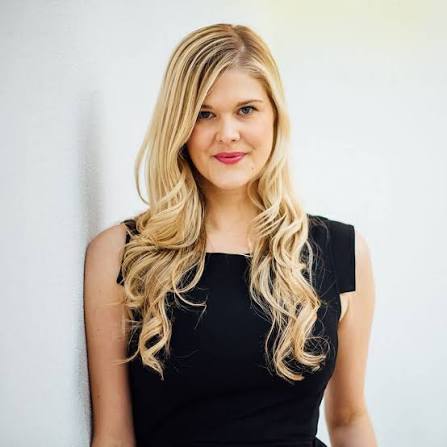


Dr. Natalie Crawford is a reproductive endocrinologist, fertility specialist, educator, podcast host, and author of The Fertility Formula. After completing her OBGYN residency at Parkland Hospital, she completed a three-year fellowship in reproductive endocrinology and infertility. She now practices at Fora Fertility in Austin, Texas, and has spent more than a decade educating women about fertility and reproductive health.
She is also the host of the As A Woman podcast, which has reached millions of downloads, and wrote The Fertility Formula to give women the foundational fertility education she believes they should have much earlier in life. Her goal is to help women understand their bodies and fertility before they’re ready to have children, so they can make informed decisions when the time comes.

What You’ll Learn
Key Timestamps
00:00 Male Fertility Is Half the Puzzle
01:42 The Fertility Formula Meet Dr. Natalie Crawford
02:15 Reproductive Endocrinology: Her Path to Fertility Medicine
05:34 Inflammation: The Hidden Root of Infertility
08:01 Chronic Inflammation vs. Normal Immune Response
10:07 Celiac, Endo, Hashimoto's Medical Causes of Inflammation
11:16 Undiagnosed Infertility
13:02 Anti-Inflammatory Eating Explained
16:09 Gut Microbiome Fiber & Healthy Fats
25:01 AMH:The Ovarian Reserve Test
29:53 Missed Diagnoses Endometriosis & PMOS
30:16 Private Equity and Fertility Medicine
40:28 Endo Test New Blood & Saliva Diagnostics
43:18 Does Birth Control Hurt Fertility?
45:02 IUDs: Thin Linings & Scar Tissue Risk
50:33 When to See a Specialist?
53:05 Pregnancy After 40
Key Takeaways
