
Strong. Healthy. Empowered.
In this episode of SHE MD, Mary Alice Haney and Dr. Thaïs Aliabadi sit down with Dr. Steven Storage to unpack one of the most common mental health misdiagnoses affecting women today: ADHD being mistaken for anxiety or depression. Dr. Storage explains why ADHD is often overlooked in girls and women, and how many patients spend years being treated for anxiety before discovering the real cause of their symptoms.
The conversation explores how ADHD can present differently in women, including emotional overwhelm, chronic stress, brain fog, and difficulty focusing. Dr. Storage also discusses the role of brain imaging in ADHD diagnosis and how different brain patterns may require different treatment approaches, highlighting why traditional symptom checklists often miss the full picture.
They also discuss how hormonal changes, especially during perimenopause, can intensify ADHD symptoms, which is why many women first seek answers later in life. This episode sheds light on the importance of accurate diagnosis and brain-based approaches to better support women navigating ADHD.
Subscribe to SHE MD Podcast for expert tips on PCOS, endometriosis, fertility, hormonal balance, mental health, and more. Share with friends and visit SHE MD website and Ovii for research-backed resources, holistic health strategies, and expert guidance on women’s health and well-being.
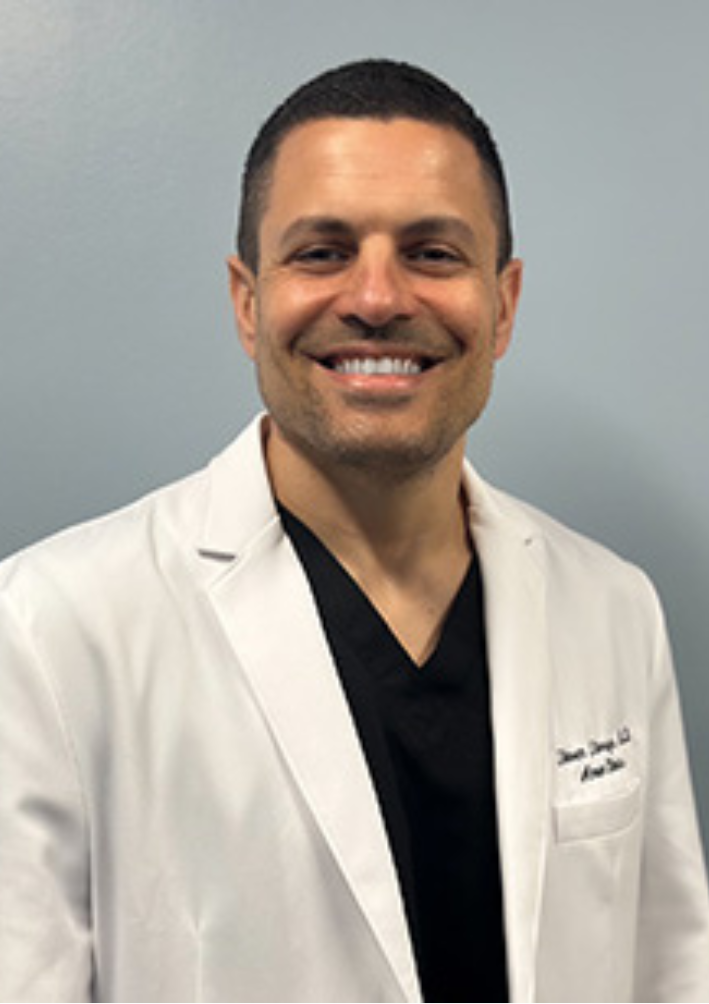


Dr. Steven Storage is a board-certified psychiatrist in both Child/Adolescent and Adult Psychiatry by the American Board of Psychiatry and Neurology, and licensed by the Medical Board of California. Raised in Southern California, he is a proud father of two boys. He graduated magna cum laude in Molecular and Cell Biology from UC Berkeley, earned his MD from UCLA (serving as class president for two years), and completed his psychiatry residency at Stanford and child/adolescent fellowship at USC, where he was Chief Fellow.
Before joining Amen Clinics, Dr. Storage was Clinical Assistant Professor of Psychiatry at USC and worked on the inpatient consultation service at Children’s Hospital Los Angeles. He continues as Adjunct Clinical Professor at USC, mentoring child psychiatry fellows. Recognized for excellence in teaching, he received the Dean’s Teacher of the Year Award (2021) and the Outstanding Teaching Award for the Psychiatry Clerkship (2020).
Dr. Storage has published peer-reviewed research and lectured widely on topics including neuroimaging, substance use, social media and mental health, and psychosomatic medicine. His expertise spans ADHD, mood and anxiety disorders, autism, OCD, PTSD, TBI, and complex cases. He takes a comprehensive, whole-person approach—combining psychotherapy, lifestyle, nutrition, imaging, and pharmacology—to help patients thrive.

What You’ll Learn
Key Timestamps
(0:00) Introduction to SHE MD
(03:09) What ADHD Actually Is (And Why the Name Is Misleading)
(07:05) ADHD in Women: Why It’s Often Missed or Misdiagnosed
(11:35) The ADHD Brain Explained: Dopamine & the Prefrontal Cortex
(18:08) ADHD Medications: Stimulants vs Non-Stimulants Explained
(21:28) ADHD vs Bipolar Disorder: Why Misdiagnosis Happens
(30:12) The 7 Different Types of ADHD
(39:12) Alcohol, Cannabis & the ADHD Brain
(45:46) How to Naturally Increase Dopamine
(47:45) Sleep, Exercise & Diet for ADHD Brain Health
(57:10) Perimenopause, Hormones & ADHD Symptoms in Women
(01:03:30) ADHD During Pregnancy & Natural Treatment Strategies
(01:12:30) Final Thoughts: Rethinking ADHD & Brain Health
Key Takeaways
Links
