
Strong. Healthy. Empowered.
Miranda McKeon was only 19 when she noticed a lump in her breast and was diagnosed with stage three, hormone positive, HER2 negative invasive ductal carcinoma.
In honor of Breast Cancer Awareness Month, Miranda joins SheMD to share the full story of her diagnosis, treatment and life after breast cancer. She opens up about the breast dimpling she initially dismissed, learning she carried a CHEK2 mutation despite having no family history of cancer, freezing her eggs before chemotherapy, undergoing a double mastectomy and radiation, and entering medically induced menopause in her early 20s.
Miranda also talks candidly about painful sex, vaginal dryness, low libido, dating, body image, fertility and the emotional impact of experiencing cancer during what should have been her college years.
Dr. Thaïs Aliabadi explains breast changes women should pay attention to, how genetics and breast density can affect risk, and why knowing your own baseline and speaking up when something changes can matter.
This conversation is a powerful reminder that breast cancer does not only affect older women and that knowing your body is an important part of advocating for your health.
Subscribe to SHE MD Podcast for expert tips on PCOS, endometriosis, fertility, hormonal balance, mental health, and more. Share with friends and visit SHE MD website and Ovii for research-backed resources, holistic health strategies, and expert guidance on women’s health and well-being.
Sponsors
SmileSet: Listeners get an additional 35% off clear aligners at smileset.com/shemd.
Arca Wealth: Book a complimentary financial planning call with an Arca advisor at arcawealth.com/shemd. Arca Wealth is a fee-only fiduciary firm. This is a paid endorsement. See arcawealth.com for important disclosures.
AG1: For a limited time, get a free immune support bundle (omega-3 fish oil and vitamin D3 K2) with your first AG1 NextGen or AG1 Pro subscription order at drinkag1.com/shemd.
Gusto: Get three months free when you run your first payroll at gusto.com/shemd.
Larine: Listeners get up to 50% off Larine remineralizing gum at buylarine.com/shemd.
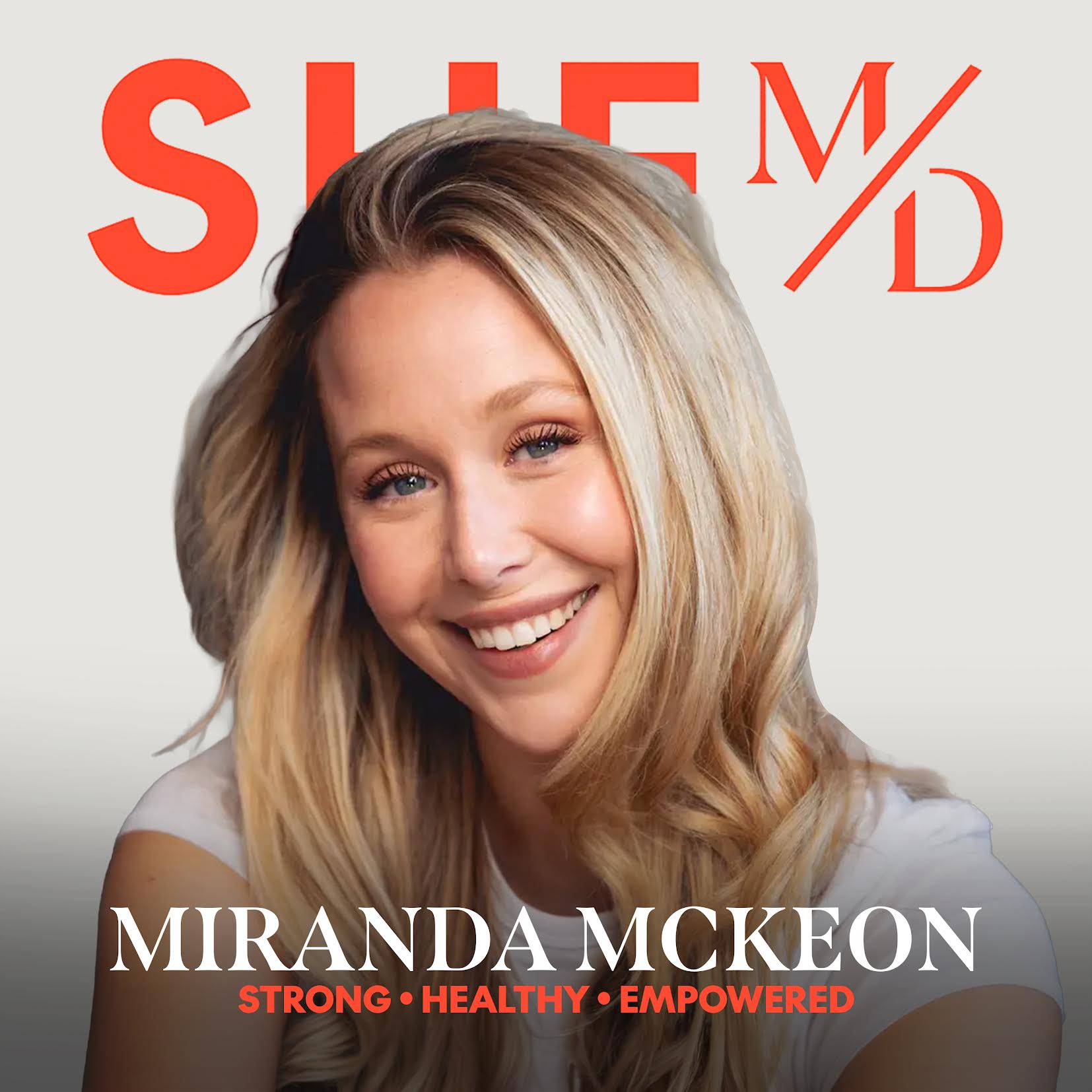


Miranda McKeon is a breast cancer survivor, women’s health advocate, and content creator who was diagnosed with stage 3 hormone-positive, HER2-negative invasive ductal carcinoma at just 19 years old. After discovering a lump in her breast while home from college, Miranda underwent chemotherapy, a double mastectomy, radiation, and medically induced menopause. She later learned that she carries a CHEK2 genetic mutation associated with an increased risk of breast cancer.
Since her diagnosis, Miranda has become an outspoken advocate for young women navigating cancer, sexual health, fertility, body image, and life after treatment. She openly shares her experience with intimacy and medically induced menopause and uses her platform to encourage women to understand their bodies and advocate for their health.

What You'll Learn
Key Takeaways
